When specifying an LED video wall, one of the first decisions is whether you need indoor-rated or outdoor-rated panels. These are not interchangeable. Indoor and outdoor LED panels differ fundamentally in brightness, weather protection, pixel pitch ranges, thermal management, structural requirements, and cost. Selecting the wrong type for your environment can result in unreadable displays, premature hardware failure, voided warranties, and wasted investment.
This guide provides a structured comparison to help AV professionals, facilities managers, and procurement teams make the right selection for their specific project environment.
Indoor LED Video Walls -- Overview
Typical Specifications
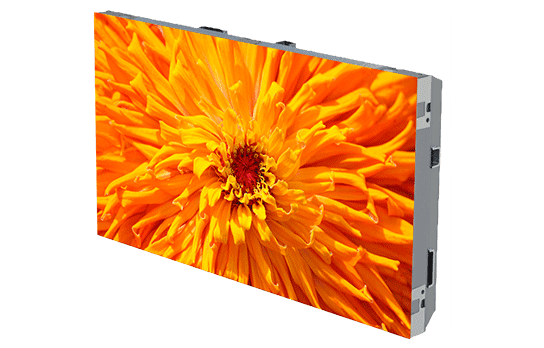
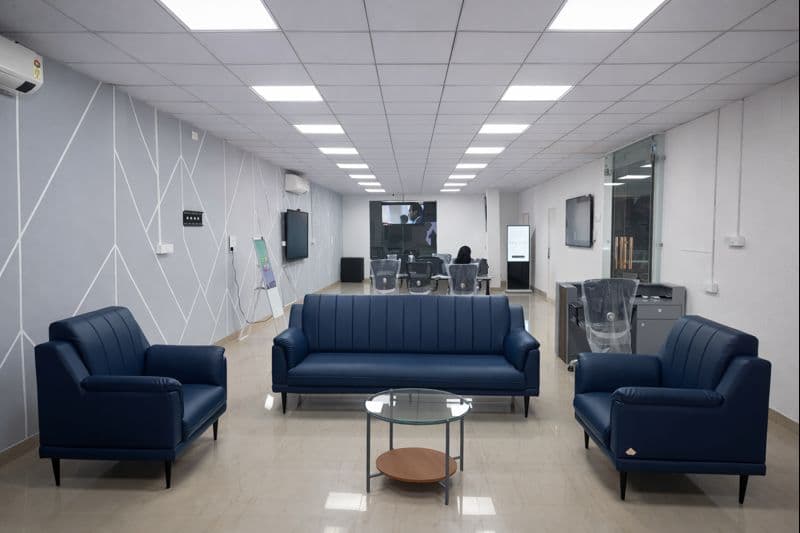
Indoor LED panels are designed for controlled environments with stable temperatures, managed lighting, and no exposure to weather. Typical specifications include pixel pitch from P0.9 to P3.0, brightness from 600 to 1,500 nits, IP ratings of IP20 to IP40 (no water or dust protection needed), and optimal viewing distances from 1.5 to 15 meters. Indoor panels are lighter per square meter, use standard convection or basic fan cooling, and are designed for rear-access serviceability in most configurations.
Common Applications
Indoor LED video walls are deployed across corporate lobbies and boardrooms for presentations and brand display, retail in-store environments for promotional content and brand storytelling, control rooms and command centers for 24/7 data visualization and monitoring, broadcast studios for virtual production backgrounds, museum and gallery installations for immersive visitor experiences, and conference venues for stage backdrops and speaker support.
Outdoor LED Video Walls -- Overview
Typical Specifications
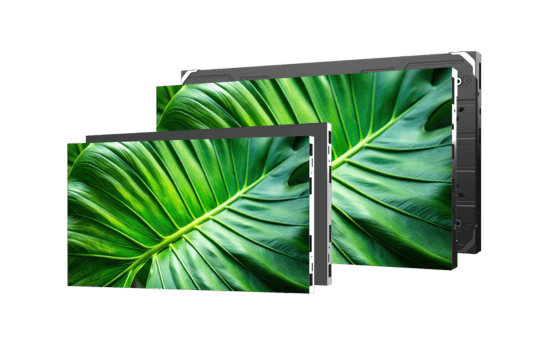
Outdoor LED panels are engineered to withstand harsh environmental conditions including rain, dust, extreme temperatures, and direct sunlight. Typical specifications include pixel pitch from P3.0 to P16, brightness from 5,000 to 10,000+ nits, IP ratings of IP54 to IP68 (full weather, dust, and moisture protection), and viewing distances from 5 to 100+ meters. Outdoor panels are heavier, require active cooling systems, and are designed for front-access maintenance since rear access is often impossible in permanent installations.
Common Applications
Outdoor LED video walls are used for building facades and outdoor advertising billboards, stadium scoreboards and perimeter displays, outdoor event stages and festival screens, transportation hubs including airports and railway stations, highway and petrol station signage, and public information displays in parks, plazas, and transit stations.
Indoor vs Outdoor LED -- Side-by-Side Comparison
| Specification | Indoor LED | Outdoor LED |
|---|---|---|
| Pixel Pitch Range | P0.9 - P3.0 | P3.0 - P16 |
| Brightness | 600 - 1,500 nits | 5,000 - 10,000+ nits |
| IP Rating | IP20 - IP40 | IP54 - IP68 |
| Operating Temperature | 0 to 40 degrees C | -20 to 60 degrees C |
| Viewing Distance | 1.5 - 15 meters | 5 - 100+ meters |
| Panel Weight | 25-35 kg/sqm | 35-60 kg/sqm |
| Power Consumption | 150 - 300 W/sqm | 400 - 800+ W/sqm |
| Cooling | Convection/basic fans | Active cooling, sealed |
| Maintenance Access | Rear or front | Front-access required |
| Typical Lifespan | 100,000+ hours | 100,000+ hours |
| Relative Cost/sqm | Higher for fine pitch | Lower per pixel |
Key Differences Explained
Brightness and Sunlight Readability
The most dramatic difference between indoor and outdoor LED panels is brightness. Outdoor panels need 5,000+ nits to remain readable in direct sunlight, while indoor panels at 800 to 1,200 nits are more than sufficient for controlled lighting environments. Over-specifying brightness indoors wastes energy, generates unnecessary heat, and causes eye strain for viewers in close proximity. South-facing outdoor installations in bright climates may need 7,000 to 10,000 nits for reliable readability throughout the day.
IP Rating and Weather Protection
The IP (Ingress Protection) rating system uses two digits: the first indicates protection against solid particles (dust), and the second indicates protection against liquid ingress (water). Indoor panels with IP20 or IP40 ratings have minimal environmental protection, which is appropriate for climate-controlled interiors. Outdoor panels require IP54 as an absolute minimum for semi-covered installations, with IP65 or higher recommended for fully exposed positions. The weatherproofing in outdoor panels includes sealed cabinet construction, conformal coating on electronic components, drainage channels for water management, and UV-resistant materials for long-term outdoor durability.
Pixel Pitch and Viewing Distance
Indoor applications typically require finer pixel pitch because viewers are closer to the display. Corporate lobbies, boardrooms, and retail environments need P0.9 to P2.5 for sharp imagery at viewing distances under 10 meters. Outdoor applications allow coarser pixel pitch because viewing distances are much greater. A P6 outdoor billboard viewed from 20+ meters appears perfectly smooth to the human eye. This difference in pixel pitch requirements means outdoor panels actually cost less per pixel despite higher per-panel costs for weatherproofing and brightness components.
Thermal Management
Indoor panels rely on natural convection or basic internal fans for heat dissipation, operating in environments where ambient temperatures rarely exceed 35 degrees C. Outdoor panels face extreme thermal challenges: direct sunlight can heat panel surfaces well above ambient temperature, and the panels must operate reliably across a wide temperature range from -20 to +60 degrees C. Active cooling systems, heat sinks, and sealed enclosures with integrated thermal management are standard features in outdoor LED panels.
Structural and Installation Differences
Outdoor LED installations require significantly more structural engineering than indoor deployments. Wind load calculations, structural reinforcement, waterproof cable management, and compliance with local building codes add complexity and cost. Indoor installations benefit from simpler mounting systems, lighter panel weights, and easier access for maintenance. The structural mounting for a large outdoor LED wall on a building facade can represent a significant portion of the total project cost.
Cost Considerations
On a per-panel basis, outdoor LED panels cost more than indoor equivalents due to weatherproofing, higher brightness components, and robust construction. However, outdoor applications typically use coarser pixel pitch, so the cost per square meter can be comparable to mid-range indoor panels. Total project cost is typically higher for outdoor installations due to structural work, electrical requirements, and installation complexity. For detailed pricing, see our LED wall pricing guide.
Semi-Outdoor LED -- The Middle Ground
Some applications fall between purely indoor and fully outdoor scenarios. Covered patios, open-air canopies, window-facing displays, and building entrance areas may be sheltered from direct rain but still exposed to higher ambient light, dust, and temperature variations. For these semi-outdoor environments, high-brightness indoor panels (2,000 to 3,000 nits) with IP54 protection offer a practical middle ground. They provide better sunlight readability than standard indoor panels without the full cost of outdoor-rated equipment.
Another common semi-outdoor scenario is window-facing displays: indoor LED panels placed behind glass to be viewed from outside. These installations benefit from the environmental protection of the building envelope while using high-brightness indoor panels to ensure content is visible through the glass and in competition with ambient outdoor light.
How to Choose -- Decision Framework
Start with the Environment
If the display will face direct sun exposure or weather, outdoor-rated panels are mandatory. If the location is covered but open-air (not fully enclosed), semi-outdoor panels may be sufficient. If the space is fully enclosed with controlled climate conditions, standard indoor panels are the appropriate and most cost-effective choice.
Define Viewing Distance
Viewing distance determines pixel pitch, which is the biggest cost variable in any LED project. Measure the minimum and typical viewing distances for your installation, then select pixel pitch accordingly. Use the general formula: minimum comfortable viewing distance in meters equals pixel pitch in millimeters multiplied by approximately 3.
Plan for Maintenance
Outdoor panels must be front-serviceable because rear access is often impossible once mounted on building facades or freestanding structures. Indoor panels can use rear-access designs if sufficient space is available behind the wall. Ensure your chosen panel type matches the physical access constraints of the installation location and plan for module-level replacement logistics.
Budget Accordingly
Outdoor installations require budget allocation for structural engineering, weatherproof electrical work, and more complex ongoing maintenance. Indoor installations have lower ancillary costs but may have higher per-square-meter panel costs if fine pixel pitch is required. Build a comprehensive budget that includes installation, infrastructure, and ongoing maintenance, not just hardware.
Frequently Asked Questions
Can indoor LED panels be used outdoors temporarily?
Indoor LED panels are not designed for outdoor use, even temporarily. Exposure to moisture, dust, and direct sunlight can damage unprotected panels and void the warranty. For temporary outdoor events, use rental-grade outdoor-rated LED panels designed for rapid deployment and teardown.
What IP rating do I need for an outdoor LED wall?
For fully exposed outdoor installations, IP65 or higher is recommended. Semi-outdoor covered installations may use IP54-rated panels. The IP rating indicates protection against solid particles (first digit) and water ingress (second digit). IP65 means complete dust protection and protection against water jets from any direction.
How bright should an outdoor LED display be?
Outdoor LED displays should have a minimum brightness of 5,000 nits for readable content in direct sunlight. North-facing installations or shaded locations may work with 3,500 to 5,000 nits. South-facing displays in bright climates may need 7,000 to 10,000 nits for all-day readability.
Not sure which type fits your project? Our AV specialists work across indoor, outdoor, and semi-outdoor applications. Talk to our team for site assessment and specification guidance.